
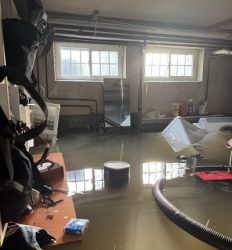
Cincinnati suffered major flooding on July 17 and July 21 as a result of back-to-back extreme storms. While many media outlets called July 17 flood a 1,000-year storm, many residents said that flooding from extreme storms is now impacting them several times each year. This is what climate change looks like in Cincinnati, and the trend toward more intense storms is accelerating.
In the aftermath of these storms, the City has taken a series of actions to address the problem. City Council passed a Motion directing the Metropolitan Sewer District to significantly accelerate adoption of an impervious surface charge. This provision was the direct result of Miami Group advocacy. The impervious surface charge makes large landowners pay for stormwater leaving their property, which gives them a financial incentive to hold stormwater where it falls. The impervious surface charge is the fastest, cheapest and fairest way to reduce future flooding in Cincinnati.
City Council has also required City Departments to study and report on additional ways to reduce future flooding, and created a $2 million fund to reimburse residents for damage they have suffered.
Next steps in preparing for future storms will be:
- Including the costs and revenues from an impervious surface charge in MSD’s 2027 budget.
- Completing the stormwater master plan currently being developed by the City’s Stormwater Management Utility.
- Consolidating or coordinating the responsibilities of multiple entities that currently share stormwater responsibilities in the region.
Miami Group will be advocating for all of these next steps. Want to be part of the solution? Email Larry Falkin at [email protected].
